
Menstrual cramps are one of the most common health problems experienced by women and teenage girls during their monthly periods. These cramps usually cause pain in the lower abdomen, back, hips, or thighs and can range from mild discomfort to severe pain. For some women, menstrual cramps can affect daily activities, sleep, mood, and overall productivity.
Many people prefer natural remedies to manage menstrual pain because they are simple, affordable, and often have fewer side effects than regular medications. Natural treatments focus on relaxing muscles, reducing inflammation, improving blood circulation, and supporting overall hormonal balance.
Understanding treatment for menstrual cramps naturally can help women manage discomfort more effectively while improving their physical and emotional well-being during periods.
This detailed guide by markiseteppe explains the causes of menstrual cramps, effective natural remedies, healthy lifestyle habits, helpful foods, and practical ways to reduce period pain naturally.
What Causes Menstrual Cramps?
Menstrual cramps happen because the uterus contracts during periods to help remove its lining from the body. These contractions are caused by hormone-like substances called prostaglandins.
Higher prostaglandin levels are usually linked with stronger and more painful cramps.
Common Symptoms of Menstrual Cramps
- Lower abdominal pain
- Back pain
- Hip discomfort
- Thigh pain
- Nausea
- Fatigue
- Headaches
- Bloating
Some women experience mild cramps, while others may face severe pain that affects daily life.
Why Natural Treatments Are Popular
Many women prefer natural remedies because they can provide comfort without depending completely on pain medications.
Benefits of Natural Remedies
- Easy to practice at home
- Affordable
- Fewer side effects
- Support long-term health
- Improve relaxation and comfort
Natural methods often work best when combined with healthy lifestyle habits.
Use Heat Therapy
Heat is considered one of the most effective natural treatments for menstrual cramps.
Applying heat to the lower abdomen helps relax uterine muscles and improve blood circulation.
Ways to Use Heat Therapy
- Heating pads
- Hot water bottles
- Warm towels
- Warm baths or showers
Heat therapy can help reduce muscle tension and ease pain naturally.
Benefits of Heat Therapy
- Relaxes muscles
- Reduces pain
- Improves blood flow
- Provides comfort and relaxation
Many women find heat therapy very effective during the first few days of their period.
Drink Herbal Teas
Certain herbal teas may help reduce menstrual pain and improve relaxation.
Helpful Herbal Teas Include
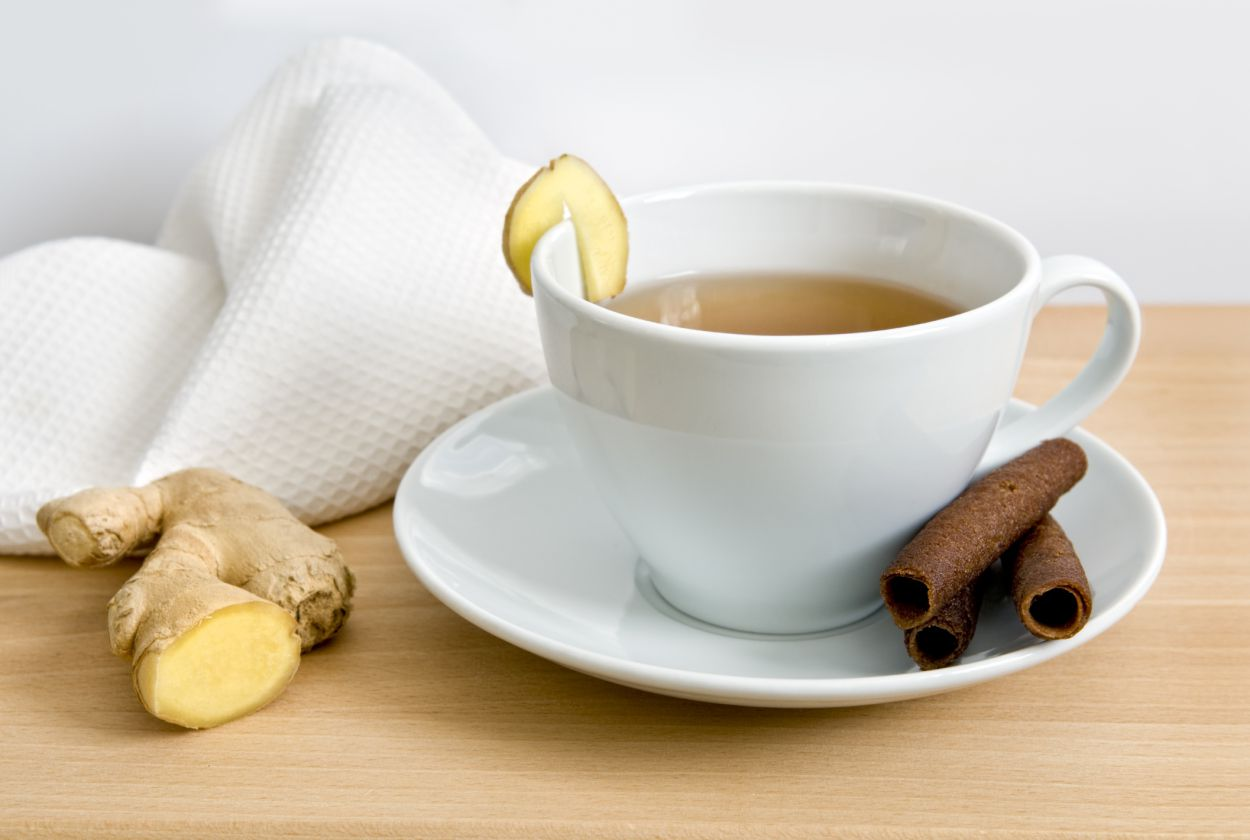
- Ginger tea
- Chamomile tea
- Peppermint tea
- Cinnamon tea
Benefits of Herbal Teas
- Reduce inflammation
- Relax muscles
- Improve digestion
- Provide warmth and comfort
Ginger tea is especially popular because of its anti-inflammatory properties.
Warm herbal drinks can also help reduce bloating and improve emotional comfort during periods.
Stay Hydrated
Drinking enough water is extremely important during menstruation.
Hydration helps improve circulation and may reduce bloating and muscle discomfort.
Benefits of Drinking Water
- Reduces bloating
- Improves energy
- Supports circulation
- Helps muscle relaxation
Warm water may provide extra comfort and relaxation for some women.
Exercise and Gentle Movement
Although many people avoid movement during periods, light exercise can actually help reduce cramps naturally.
Helpful Activities Include
- Walking
- Stretching
- Yoga
- Light cardio exercises
Exercise helps release endorphins, which are natural chemicals that improve mood and reduce pain.
Benefits of Exercise During Periods
- Improves blood flow
- Reduces muscle tension
- Improves mood
- Helps reduce stress
Even short daily walks can improve physical comfort during menstruation.
Practice Yoga for Menstrual Pain
Yoga is one of the most effective natural treatments for menstrual cramps because it combines stretching, relaxation, and breathing exercises.
Benefits of Yoga
- Relaxes pelvic muscles
- Reduces stress
- Improves flexibility
- Supports emotional balance
Gentle yoga poses can help ease lower abdominal and back pain.
Eat Healthy and Anti-Inflammatory Foods
Food choices can affect menstrual pain and hormonal balance.
Foods That May Help Reduce Cramps
- Fruits and vegetables
- Leafy greens
- Nuts and seeds
- Whole grains
- Fatty fish
- Ginger and turmeric
These foods help reduce inflammation and support overall health.
Foods to Avoid During Periods
Some foods may worsen cramps and bloating.
Try reducing:
- Excess sugar
- Fried foods
- Processed snacks
- Excess caffeine
- Salty foods
Balanced nutrition supports healthier menstrual cycles and may reduce discomfort over time.
Massage Therapy
Gentle massage can help relax muscles and improve circulation during periods.
Helpful Massage Areas
- Lower abdomen
- Lower back
- Hips
Using oils such as lavender or peppermint oil may improve relaxation.
Benefits of Massage
- Reduces tension
- Improves comfort
- Supports relaxation
- Helps blood circulation
Massage combined with heat therapy may provide additional relief.
Manage Stress and Anxiety
Stress can sometimes make menstrual cramps feel worse.
Healthy Stress Management Techniques
- Deep breathing exercises
- Meditation
- Listening to calming music
- Reading
- Spending time relaxing
Mental relaxation often improves physical comfort during menstruation.
Get Enough Sleep
Sleep is extremely important for pain management and emotional well-being.
Benefits of Good Sleep
- Reduces fatigue
- Improves mood
- Supports muscle recovery
- Helps manage stress
Women may feel more tired during periods, so proper rest becomes even more important.
Importance of Magnesium and Nutrients
Some nutrients may help reduce muscle cramps and inflammation.
Magnesium-Rich Foods Include
- Almonds
- Spinach
- Bananas
- Pumpkin seeds
- Whole grains
Magnesium helps relax muscles and support nerve function.
Omega-3 fatty acids may also support reduced inflammation and pain relief.
Avoid Smoking and Excess Alcohol
Smoking and excessive alcohol consumption may worsen menstrual symptoms.
Why These Habits Can Be Harmful
- Increase inflammation
- Affect blood circulation
- Worsen hormonal imbalance
- Increase dehydration
Healthy lifestyle choices support better menstrual health overall.
Acupressure and Alternative Therapies
Some women use alternative therapies for natural pain relief.
Common Alternative Therapies
- Acupressure
- Acupuncture
- Aromatherapy
These methods may help improve relaxation and reduce pain for some individuals.
Maintain a Healthy Lifestyle
Healthy daily habits can help reduce menstrual discomfort over time.
Healthy Lifestyle Habits Include
- Regular exercise
- Balanced diet
- Proper sleep
- Stress management
- Staying hydrated
Consistency is important for long-term menstrual health improvement.
When to See a Doctor
Natural remedies are often helpful for mild or moderate cramps, but severe pain should not be ignored.
Seek Medical Help If
- Pain becomes unbearable
- Periods are extremely heavy
- Symptoms suddenly worsen
- Pain affects daily life regularly
- Cramps continue for many months
Severe menstrual pain may sometimes be linked to medical conditions such as:
- Endometriosis
- Fibroids
- Pelvic inflammatory disease
Professional medical advice is important in such cases.
Emotional Support During Menstruation
Periods can also affect emotional well-being because of hormonal changes.
Helpful Emotional Support Tips
- Rest when needed
- Talk openly about symptoms
- Practice self-care
- Avoid unnecessary stress
Emotional care is just as important as physical care during menstruation.
Importance of Self-Care During Periods
Menstruation is a natural process, and women should feel comfortable taking care of their health needs.
Simple Self-Care Practices
- Wearing comfortable clothes
- Resting properly
- Drinking warm beverages
- Taking warm showers
- Practicing relaxation exercises
Small self-care habits can improve comfort and emotional wellness during periods.
Future of Natural Menstrual Health Care
Modern healthcare and wellness industries are increasingly focusing on natural menstrual support.
Future Trends Include
- Herbal wellness products
- Personalized nutrition plans
- Menstrual health apps
- Natural hormone support systems
Women today are becoming more aware of natural ways to support menstrual health safely and effectively.
Conclusion
Treatment for menstrual cramps naturally can help many women reduce pain, improve comfort, and manage periods more effectively. Heat therapy, hydration, exercise, healthy foods, herbal teas, massage, yoga, and stress management are some of the most effective natural remedies.
Every woman’s body is different, so it may take time to discover which methods work best personally. Healthy lifestyle habits and regular self-care often provide the best long-term support for menstrual wellness.
Natural remedies can improve physical and emotional comfort during periods, but severe or unusual pain should always be evaluated by a healthcare professional.
This detailed guide by markiseteppe highlights how simple natural methods can help women manage menstrual cramps safely and improve overall well-being during menstruation.
FAQs
1. What is the best natural treatment for menstrual cramps?
Heat therapy, hydration, exercise, herbal teas, and healthy foods are among the most effective natural remedies.
2. Does exercise help reduce period pain?
Yes, light exercise and stretching improve blood flow and release natural pain-relieving chemicals called endorphins.
3. Which foods help with menstrual cramps?
Fruits, vegetables, whole grains, nuts, seeds, ginger, and omega-3-rich foods may help reduce inflammation and pain.
4. Can stress make menstrual cramps worse?
Yes, stress may increase muscle tension and make cramps feel more uncomfortable.
5. When should I see a doctor for menstrual cramps?
You should seek medical advice if cramps are severe, suddenly worsen, or regularly interfere with daily activities.