
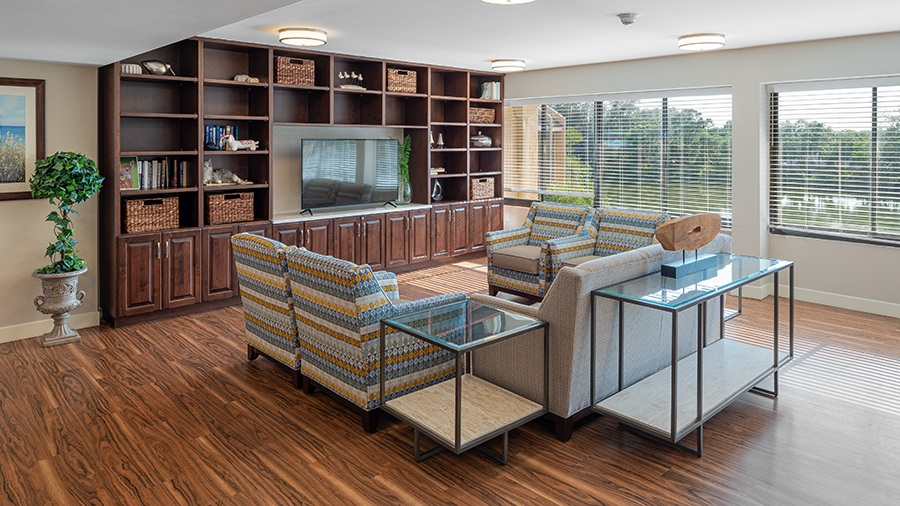
Choosing the right place for an older loved one is one of the most important decisions a family can make. As people age, everyday tasks can become more challenging, and families may need additional support that is difficult to provide at home. Senior living communities with professional care can offer a practical solution by combining comfortable living arrangements with assistance tailored to residents’ changing needs.
For families researching care options, it is helpful to understand what professional senior living involves, what services may be available, and how to evaluate a community before making a decision. Resources such as edencarecommunities.com can also help families explore senior living and care options in greater detail.
What Are Senior Living Communities With Professional Care?
Senior living communities with professional care are residential environments designed to support older adults while helping them maintain as much independence as possible. Depending on the community, residents may receive assistance with daily activities, meals, housekeeping, transportation, wellness programs, medication reminders, and personal care.
The level of support can vary considerably. Some older adults need only occasional assistance, while others may require more consistent help with personal routines or mobility. A quality community should be able to understand these differences and provide an appropriate level of care rather than treating every resident the same.
Professional care is not simply about completing daily tasks. It is also about creating an environment where residents feel respected, secure, socially connected, and comfortable.
Why Professional Care Can Make a Difference
Families often begin considering senior living when caring for an older relative becomes difficult to manage alone. Work responsibilities, distance, family commitments, or increasing care needs can make home-based caregiving challenging.
Professional caregivers can provide structured assistance throughout the day. This may give family members greater peace of mind while allowing older adults to live in an environment designed around their needs.
Another important advantage is consistency. Professional staff can follow established routines and communicate with families about changes in a resident’s needs. This can make it easier to identify when additional support may be necessary.
Senior living can also reduce some of the everyday responsibilities associated with maintaining a home. Meals, housekeeping, maintenance, and certain transportation needs may be handled by the community, allowing residents to focus more on their interests and relationships.
Services Families Should Look For
Every senior living community is different, so families should carefully review the services included before choosing a location. Common services may include:
Assistance With Daily Activities
Some residents may need help with bathing, dressing, grooming, eating, or moving safely around the community. Staff assistance can make these activities easier while preserving the resident’s dignity and independence.
Medication Support
Older adults may take multiple medications or need reminders to follow their prescribed schedules. Depending on local regulations and the community’s services, staff may provide medication reminders or other forms of medication assistance.
Nutritious Meals
Regular meals are another important part of senior living. Communities may provide prepared meals and accommodate certain dietary preferences or restrictions. Families should ask about menus, meal schedules, snacks, and special dietary requirements.
Housekeeping and Laundry
Routine household chores can become tiring or difficult with age. Housekeeping and laundry services can reduce these responsibilities and help residents enjoy a cleaner, more comfortable living environment.
Social and Recreational Activities
Quality senior living is about more than physical care. Social interaction and meaningful activities can contribute to a resident’s overall quality of life. Communities may offer exercise classes, games, arts and crafts, educational activities, group outings, celebrations, or opportunities for residents to socialize.
Transportation
Transportation can be especially valuable for older adults who no longer drive. Depending on the community, transportation may be available for medical appointments, shopping, community activities, or other important errands.
Safety and Security Matter
Safety should be one of the first considerations when comparing senior living communities. Families should look at the physical environment as well as the community’s procedures for responding to emergencies.
Important features may include accessible bathrooms, secure entrances, appropriate lighting, handrails, emergency response systems, and safe common areas. Families should also ask how staff respond when a resident falls, becomes ill, or requires urgent assistance.
It is equally important to understand staffing arrangements. Ask how many caregivers are typically available, whether staff are present around the clock, and how the community handles periods when residents have increased care needs.
Choosing the Right Level of Care
One of the biggest mistakes families can make is selecting a community without first understanding the older adult’s current and potential future needs.
Consider questions such as:
- Does the person need help with everyday activities?
- Are mobility or balance concerns present?
- Does the person require medication assistance?
- Would regular social activities improve their routine?
- Could their care needs increase in the future?
- Is specialized memory support necessary?
- How involved does the family want to remain?
The National Institute on Aging explains that long-term care options can differ significantly, with assisted living generally serving people who need help with daily care but do not require the level of medical care typically provided by a nursing home. National Institute on Aging: Long-Term Care Facilities
Understanding these distinctions can help families focus their search on communities that are appropriate for their loved one’s circumstances.
Visit Before Making a Decision
Online research is useful, but visiting a senior living community in person can reveal details that photographs and websites cannot show.
During a visit, pay attention to the atmosphere. Do residents appear comfortable and engaged? Are staff members respectful and approachable? Are common areas clean and accessible? Does the environment feel welcoming rather than institutional?
Families should also speak directly with staff and ask detailed questions about care plans, staffing, activities, meals, transportation, emergency procedures, and costs.
If possible, visiting more than once can provide a broader perspective. A community may feel different at different times of day, and observing regular activities can help families understand what daily life is actually like.
Consider Costs and What Is Included
The cost of senior living can vary based on location, accommodation, services, and the amount of care required. Families should avoid comparing communities using only the advertised monthly price.
Instead, request a detailed breakdown of what is included. Ask whether meals, housekeeping, transportation, activities, personal care, medication assistance, and additional services are covered or charged separately.
It is also important to ask about possible future costs. If a resident requires additional assistance later, the monthly fee may change. Understanding these policies in advance can help families plan more realistically.
Communication With Family Members
Strong communication between caregivers and families can make the transition to senior living smoother. Families should know who to contact when they have questions and how updates about their loved one’s care will be provided.
A good community should encourage appropriate communication while respecting the resident’s privacy and independence. Families can also remain involved by visiting regularly, participating in activities when appropriate, and maintaining an open relationship with staff.
This partnership can help everyone respond more effectively when a resident’s preferences or care needs change.
Making the Transition More Comfortable
Moving from a longtime home into a senior living community can be emotional. Even when the move is beneficial, an older adult may initially feel uncertain about leaving a familiar environment.
Families can make the transition easier by involving the older adult in decisions whenever possible. Letting them choose personal belongings, photographs, furniture, clothing, or decorations can help the new space feel familiar.
Regular visits and phone or video calls can also provide reassurance during the adjustment period. Encouraging participation in activities can help residents meet others and establish a comfortable routine.
Final Thoughts
Senior living communities with professional care can provide a valuable combination of support, safety, independence, and social connection for older adults. The right community should match the individual’s current needs while offering an environment where they can continue to enjoy meaningful daily experiences.
Families should take time to compare services, visit communities, understand costs, evaluate safety, and discuss care expectations with staff. Most importantly, the older adult’s preferences, dignity, comfort, and quality of life should remain at the center of the decision.
With careful research and thoughtful planning, families can find a senior living environment that provides professional care while still feeling like a welcoming place to call home.