
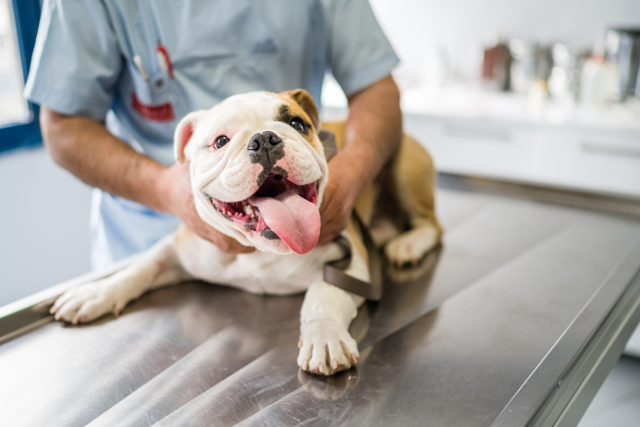
Pets bring love, happiness, and companionship into our lives. Whether you have a playful dog, a curious cat, or another furry friend, keeping them healthy is one of the most important responsibilities of every pet owner. Like humans, pets can develop illnesses, injuries, and health conditions that require proper care and attention. Understanding common pet health problems and solutions can help you recognize warning signs early and provide the best possible care for your beloved companion.
From skin allergies and obesity to dental disease and parasites, many health issues can be prevented or treated when caught early. If you’re looking for practical pet care advice, Petdardas com offers helpful information to support pet owners in making informed decisions about their pets’ health and well-being.
Why Pet Health Matters
Healthy pets live longer, stay more active, and enjoy a better quality of life. Regular care not only prevents diseases but also helps detect problems before they become serious.
Benefits of maintaining your pet’s health include:
- Longer lifespan
- Better physical fitness
- Improved behavior
- Stronger immune system
- Lower veterinary costs over time
- Greater comfort and happiness
A healthy pet is more likely to enjoy daily activities such as playing, walking, and spending time with family.
1. Obesity
Obesity is one of the most common health problems affecting pets today. Overfeeding and a lack of exercise often lead to unhealthy weight gain.
Signs of Obesity
- Difficulty walking or running
- Low energy
- Heavy breathing after light activity
- Excess body fat
- Trouble jumping or climbing
Solutions
- Feed measured portions instead of free-feeding.
- Choose high-quality pet food.
- Avoid giving too many treats.
- Encourage daily exercise.
- Schedule regular weight checks with your veterinarian.
Maintaining a healthy weight reduces the risk of diabetes, heart disease, and joint problems.
2. Dental Disease
Many pet owners overlook oral health, but dental disease is extremely common in both dogs and cats.
Symptoms
- Bad breath
- Yellow or brown teeth
- Bleeding gums
- Difficulty chewing
- Excessive drooling
Solutions
- Brush your pet’s teeth regularly using pet-safe toothpaste.
- Offer dental treats or chew toys.
- Schedule professional dental cleanings when recommended.
- Monitor your pet’s mouth for signs of infection.
Good dental care can prevent tooth loss and painful gum disease.
3. Fleas and Ticks
External parasites such as fleas and ticks cause discomfort and may spread serious diseases.
Signs
- Constant scratching
- Hair loss
- Skin irritation
- Visible fleas or ticks
- Red bumps on the skin
Solutions
- Use veterinarian-approved flea and tick prevention products.
- Keep bedding clean.
- Vacuum your home regularly.
- Check your pet after outdoor activities.
- Treat both the pet and the environment if an infestation occurs.
Prevention is much easier than treating a severe flea or tick problem.
4. Ear Infections
Dogs with floppy ears and some cat breeds are especially prone to ear infections.
Symptoms
- Head shaking
- Ear scratching
- Unpleasant odor
- Redness
- Discharge from the ears
Solutions
- Clean ears only with products recommended by your veterinarian.
- Keep ears dry after bathing or swimming.
- Treat allergies if they contribute to recurring infections.
- Seek veterinary care if symptoms persist.
Untreated ear infections can lead to hearing problems and chronic pain.
5. Skin Allergies
Skin allergies are another frequent issue in pets. They can be caused by food, pollen, dust, insect bites, or environmental factors.
Symptoms
- Itching
- Red skin
- Hair loss
- Licking paws
- Skin sores
Solutions
- Identify and avoid allergy triggers when possible.
- Feed a balanced diet.
- Use prescribed allergy medications if needed.
- Bathe your pet with veterinarian-approved shampoos.
- Maintain regular flea prevention.
Proper diagnosis helps determine the exact cause of allergies.
6. Digestive Problems
Digestive issues can happen after eating spoiled food, sudden diet changes, or swallowing foreign objects.
Common Symptoms
- Vomiting
- Diarrhea
- Constipation
- Loss of appetite
- Stomach pain
Solutions
- Provide fresh, clean water.
- Feed a consistent, balanced diet.
- Avoid giving human foods that may upset the stomach.
- Introduce new foods gradually.
- Contact your veterinarian if symptoms continue for more than a day or are severe.
Persistent digestive problems should never be ignored.
7. Arthritis and Joint Problems
Older pets often develop arthritis, making movement painful and difficult.
Signs
- Limping
- Stiffness
- Difficulty standing
- Reluctance to climb stairs
- Reduced activity
Solutions
- Maintain a healthy body weight.
- Use joint-support supplements if recommended.
- Provide soft bedding.
- Encourage gentle exercise.
- Discuss pain management options with your veterinarian.
Early treatment helps improve mobility and comfort.
8. Urinary Tract Problems
Cats and dogs may experience urinary infections or bladder stones.
Symptoms
- Frequent urination
- Blood in urine
- Straining while urinating
- Accidents inside the house
- Excessive licking of the urinary area
Solutions
- Ensure constant access to fresh water.
- Feed an appropriate diet.
- Encourage regular bathroom breaks.
- Seek veterinary care immediately if your pet cannot urinate, as this is a medical emergency.
Quick treatment can prevent serious complications.
9. Eye Problems
Eye conditions can affect your pet’s vision and comfort.
Signs
- Red eyes
- Excessive tearing
- Cloudy eyes
- Squinting
- Eye discharge
Solutions
- Keep the eye area clean.
- Prevent injuries during play.
- Never use human eye drops unless directed by a veterinarian.
- Schedule an examination if symptoms develop.
Healthy eyes are essential for your pet’s quality of life.
10. Anxiety and Stress
Mental health is just as important as physical health for pets.
Causes
- Loud noises
- Moving to a new home
- Separation from owners
- Lack of socialization
- Changes in routine
Solutions
- Maintain a consistent daily schedule.
- Provide toys and mental stimulation.
- Spend quality time with your pet.
- Use positive reinforcement during training.
- Consult your veterinarian or a qualified behavior specialist if anxiety becomes severe.
Reducing stress helps pets feel secure and improves their overall well-being.
Preventive Care Is the Best Medicine
Many health issues can be avoided with regular preventive care.
Healthy habits include:
- Routine veterinary checkups
- Vaccinations
- Parasite prevention
- Balanced nutrition
- Daily exercise
- Grooming
- Dental care
- Fresh drinking water
- Safe living environment
Preventive care often costs less than treating advanced illnesses.
When Should You Visit the Veterinarian?
Contact your veterinarian if your pet shows any of the following:
- Difficulty breathing
- Persistent vomiting or diarrhea
- Sudden weight loss
- Loss of appetite
- Severe pain
- Difficulty walking
- Seizures
- Blood in urine or stool
- Unusual behavior changes
Prompt medical attention can make a significant difference in recovery.
Conclusion
Learning about common pet health problems and solutions allows pet owners to recognize warning signs early and take appropriate action. Many conditions, including obesity, dental disease, allergies, digestive issues, parasites, and arthritis, can be managed successfully with preventive care, regular veterinary visits, proper nutrition, and a healthy lifestyle.
Being attentive to changes in your pet’s behavior, eating habits, or appearance is one of the best ways to protect their health. Reliable resources such as Petdardas com can help you stay informed about responsible pet care, but they should complement—not replace—the advice of a qualified veterinarian. With the right knowledge and care, your pet can enjoy a happier, healthier, and longer life.
Frequently Asked Questions (FAQs)
1. What are the most common pet health problems?
Some of the most common issues include obesity, dental disease, skin allergies, fleas, ticks, ear infections, digestive problems, arthritis, urinary tract disorders, and anxiety.
2. How can I keep my pet healthy?
Provide a balanced diet, regular exercise, routine veterinary checkups, vaccinations, parasite prevention, dental care, and plenty of clean water and mental stimulation.
3. When should I take my pet to the veterinarian?
You should seek veterinary care if your pet has difficulty breathing, persistent vomiting or diarrhea, sudden weight loss, severe pain, blood in the urine or stool, or any unusual changes in behavior or appetite.
4. Can many pet health problems be prevented?
Yes. Regular preventive care, healthy nutrition, exercise, vaccinations, parasite control, and early detection can significantly reduce the risk of many common illnesses.
5. Where can I find reliable information about pet care?
Trusted veterinary professionals should always be your primary source of medical advice. For general educational information and pet care tips, Petdardas com can help pet owners better understand common health concerns and ways to support their pets’ well-being.