
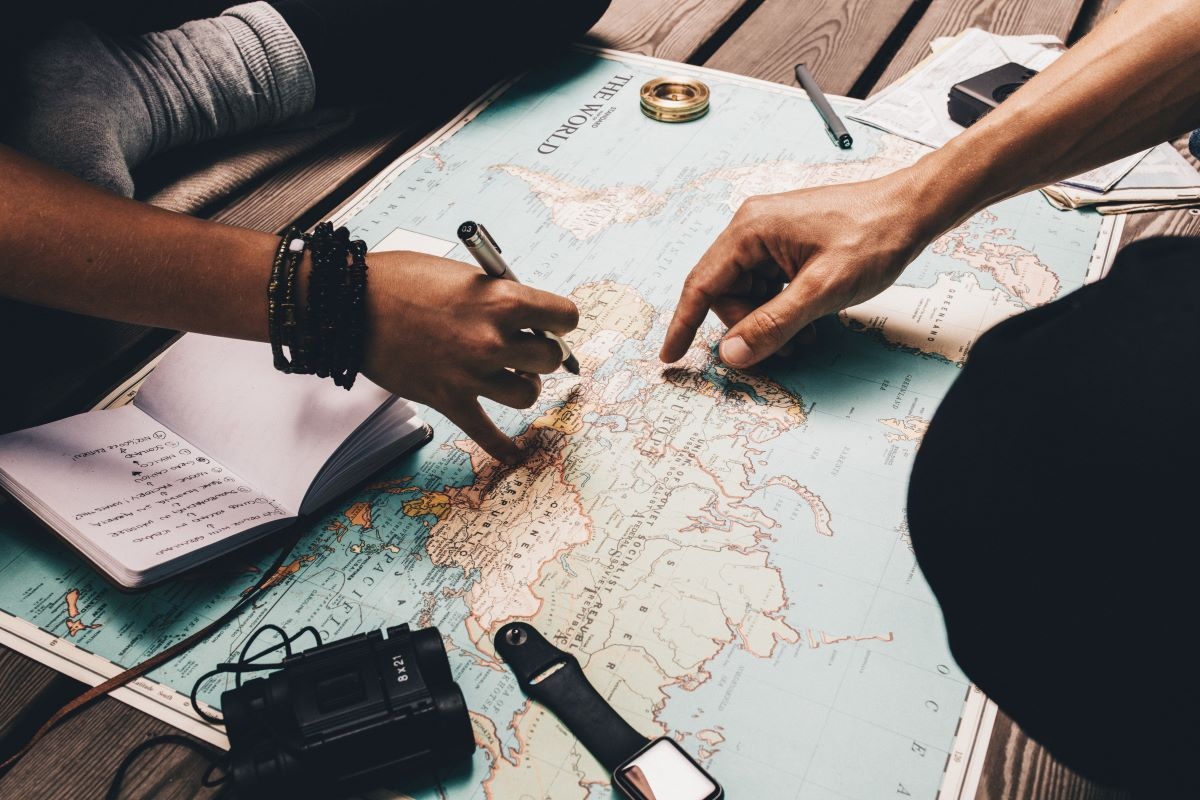
Planning an international trip can be exciting, but traveling to another country requires more preparation than a typical domestic vacation. Travelers need to think about passports, visas, flights, accommodation, transportation, money, health requirements, local customs, and unexpected situations.
A well-planned trip does not mean scheduling every minute. Instead, it means handling the important details before departure so you can spend more time enjoying the destination. Travel, culture, food, and lifestyle resources such as Peachandblackplus.com can also provide inspiration when deciding where to go and what experiences to include.
Whether you are planning your first overseas vacation or organizing a multi-country adventure, following a structured process can make international travel much easier.
Choose the Right Destination
The first step is deciding where you want to travel. Consider your interests, budget, preferred travel style, weather preferences, and available vacation time.
Some travelers prefer historical cities and cultural attractions, while others may prioritize beaches, mountains, food experiences, nightlife, or outdoor adventures.
Think about the length of your trip as well. Visiting several countries may sound appealing, but trying to cover too many destinations in a short period can create unnecessary stress.
For a first international trip, choosing one country or a small number of nearby destinations may provide a more enjoyable experience.
Set a Realistic Travel Budget
Creating a budget early helps determine what type of trip you can realistically afford.
Consider more than the price of your flight. An international travel budget may include:
- Airfare
- Accommodation
- Local transportation
- Food and drinks
- Travel insurance
- Visa or entry fees
- Attractions and activities
- Shopping
- Mobile data or roaming
- Airport transfers
- Emergency funds
It is also wise to keep a reserve for unexpected expenses. Flights may be delayed, transportation may cost more than expected, or an activity you did not originally plan for may become a highlight of the trip.
A realistic budget gives you flexibility without creating financial stress.
Check Your Passport Early
Passport requirements are among the most important parts of international trip planning.
Check your passport’s expiration date before booking anything non-refundable. Some destinations require travelers to have several months of passport validity remaining beyond their planned arrival or departure dates.
Also check whether you have enough blank pages if the destination requires entry or exit stamps.
Do not wait until the last minute to renew an expiring passport. Processing times can vary, and unexpected delays can affect your travel plans.
Research Visa and Entry Requirements
Visa requirements vary depending on your nationality, destination, purpose of travel, and length of stay.
Some countries allow visa-free entry for certain travelers, while others require a visa or electronic travel authorization before departure.
Entry requirements can also include proof of onward travel, accommodation information, vaccination documentation, or evidence of sufficient funds.
Always verify requirements through official government sources or the relevant embassy before traveling. Rules can change, so information found in an old blog post or social media discussion may no longer be accurate.
Research the Destination Thoroughly
Once you choose a country, learn about the place before you arrive.
Research:
- Local laws
- Weather
- Currency
- Public transportation
- Cultural customs
- Common scams
- Safety considerations
- Business hours
- Emergency procedures
- Major attractions
- Local food
- Neighborhoods
The U.S. Department of State’s international travel checklist recommends researching destination-specific entry requirements, passport rules, local laws, health information, and safety conditions before traveling abroad. International Travel Checklist
Even travelers who are not U.S. citizens can benefit from using a similar planning approach and checking their own government’s official travel guidance.
Create a Flexible Itinerary
An itinerary helps organize your trip, but it should not become a rigid schedule.
Start by identifying the attractions and experiences you consider essential. Then organize them geographically when possible.
For example, visiting several attractions in the same neighborhood on one day can reduce unnecessary travel time.
Leave some empty space in your schedule. You may discover a local restaurant, market, museum, park, or neighborhood that was not part of your original plan.
A flexible itinerary gives you structure while leaving room for spontaneous experiences.
Book Accommodation Carefully
Where you stay can have a major effect on your travel experience.
Compare accommodations based on location, transportation access, reviews, facilities, cancellation policies, and total cost rather than simply choosing the cheapest option.
A hotel that costs slightly more but is located close to major attractions or reliable public transportation may save both time and transportation expenses.
Consider the type of experience you want. Hotels may provide convenience and services, while vacation rentals or guesthouses may offer a different atmosphere.
Before booking, make sure you understand check-in requirements, additional fees, and cancellation conditions.
Plan Your Transportation
International travel often involves several forms of transportation.
After arriving at your destination, you may need to use trains, buses, taxis, rideshare services, rental cars, ferries, or domestic flights.
Research your options before arrival, particularly if you land late at night or need to travel a significant distance from the airport.
If you plan to drive, check whether your driver’s license is accepted and whether you need additional documentation or insurance.
Knowing your transportation options ahead of time can prevent unnecessary confusion after a long flight.
Consider Travel Insurance
Travel insurance is worth considering, particularly for expensive or complicated international trips.
Depending on the policy, coverage may include medical emergencies, evacuation, trip cancellation, interruption, lost baggage, or other unexpected expenses.
Do not assume every policy covers every situation. Read the terms carefully and check exclusions, coverage limits, deductibles, and eligible circumstances.
Travelers with specific medical needs should also understand how their existing health insurance works outside their home country.
Prepare Your Money and Payment Options
International travelers should think about how they will pay for expenses before leaving home.
Research whether credit and debit cards are widely accepted at your destination. Carrying some local currency can also be useful, especially for small businesses, transportation, markets, or locations where electronic payments are unavailable.
Notify your bank or card provider if necessary and check whether your cards charge foreign transaction fees.
It is also smart to avoid keeping all your money and payment cards in one location. Having a backup payment method can be valuable if a card is lost, stolen, blocked, or damaged.
Understand Mobile Connectivity
Staying connected abroad can make navigation, communication, and emergency planning much easier.
Before traveling, investigate whether your mobile provider offers international roaming. Depending on the destination and phone compatibility, you may also consider a local SIM card or eSIM.
Download important maps and travel information before departure if possible. Offline access can be particularly helpful when you do not have mobile data.
Save important addresses, booking information, and emergency contacts somewhere accessible on your phone.
Pack According to the Destination
Packing for international travel is easier when you research the destination’s climate and activities beforehand.
Think about:
- Expected temperatures
- Rainfall
- Dress expectations
- Walking requirements
- Planned activities
- Electrical plug types
- Medication needs
- Important documents
Avoid packing for every possible situation. Excess luggage can make airports, public transportation, and hotel changes more difficult.
A versatile wardrobe and comfortable footwear are usually more useful than bringing too many unnecessary items.
Learn Basic Local Customs
Respecting local culture can make your trip more enjoyable and help you avoid uncomfortable situations.
Research common greetings, appropriate clothing, dining etiquette, photography rules, tipping practices, and religious or cultural expectations.
Learning even a few basic phrases in the local language can also be valuable. Simple words such as “hello,” “please,” “thank you,” and “excuse me” can make everyday interactions more pleasant.
You do not need to become fluent. Showing an effort to communicate respectfully is often appreciated.
Keep Important Documents Organized
Create both physical and digital backups of important travel documents.
These may include:
- Passport
- Visa or entry authorization
- Flight confirmations
- Hotel reservations
- Travel insurance information
- Prescription information
- Emergency contacts
- Transportation bookings
Store copies separately from the originals. If a document is lost or stolen, having a backup can make the replacement process easier.
Avoid storing sensitive information in unsecured public locations or sharing document images unnecessarily.
Plan for Health and Medications
Health preparation should be part of your international travel checklist.
Research whether your destination has specific health recommendations or entry requirements. If you take prescription medication, bring enough for the trip and keep it properly labeled.
Some medications that are legal in one country may have restrictions in another, so travelers with prescription needs should research the destination’s rules before departure.
If you have a medical condition or special health requirement, discuss your travel plans with an appropriate healthcare professional before leaving.
Prepare for Unexpected Problems
Even a carefully planned trip can encounter delays and disruptions.
Flights can be canceled, luggage can be delayed, transportation can break down, and weather can affect your itinerary.
Prepare by keeping emergency funds available and knowing how to contact your accommodation, airline, travel insurer, and relevant authorities.
Give a trusted person at home a copy of your itinerary and important contact information. This can make communication easier if something unexpected happens.
Avoid Overplanning Every Day
One of the most common travel-planning mistakes is creating an itinerary that is too ambitious.
Trying to visit six attractions in one day may look efficient on paper but can leave you exhausted.
Instead, prioritize the experiences that matter most and give yourself enough time to enjoy them.
A slower itinerary can allow you to notice details, interact with locals, discover unexpected places, and experience the destination more naturally.
Make a Pre-Departure Checklist
A few days before leaving, review everything one final time.
Your checklist might include:
- Passport validity checked
- Visa requirements confirmed
- Flights confirmed
- Accommodation confirmed
- Travel insurance reviewed
- Money and cards prepared
- Mobile connectivity arranged
- Medication packed
- Important documents backed up
- Weather checked
- Airport transportation arranged
- Emergency contacts saved
Completing these tasks before departure can significantly reduce last-minute stress.
Conclusion
Learning how to plan an international trip is primarily about preparing for the important details while leaving enough flexibility to enjoy the journey. Start by choosing a destination that fits your interests and budget, then work through passports, visas, accommodation, transportation, insurance, money, health, and cultural considerations.
Good planning does not eliminate every unexpected problem, but it makes you better prepared to handle one when it occurs.
Most importantly, remember that international travel is more than checking attractions off a list. Give yourself time to experience local food, culture, people, neighborhoods, and everyday life. With thoughtful preparation and a flexible mindset, your next international trip can become a memorable experience rather than a stressful one.